Maryetta H just ordered a Blackberry Classic unlock code.
2 hours agoUnlocking Blog
Paid Off Your Phone Early? How to Handle Carrier Unlocking Before Your Contract Ends
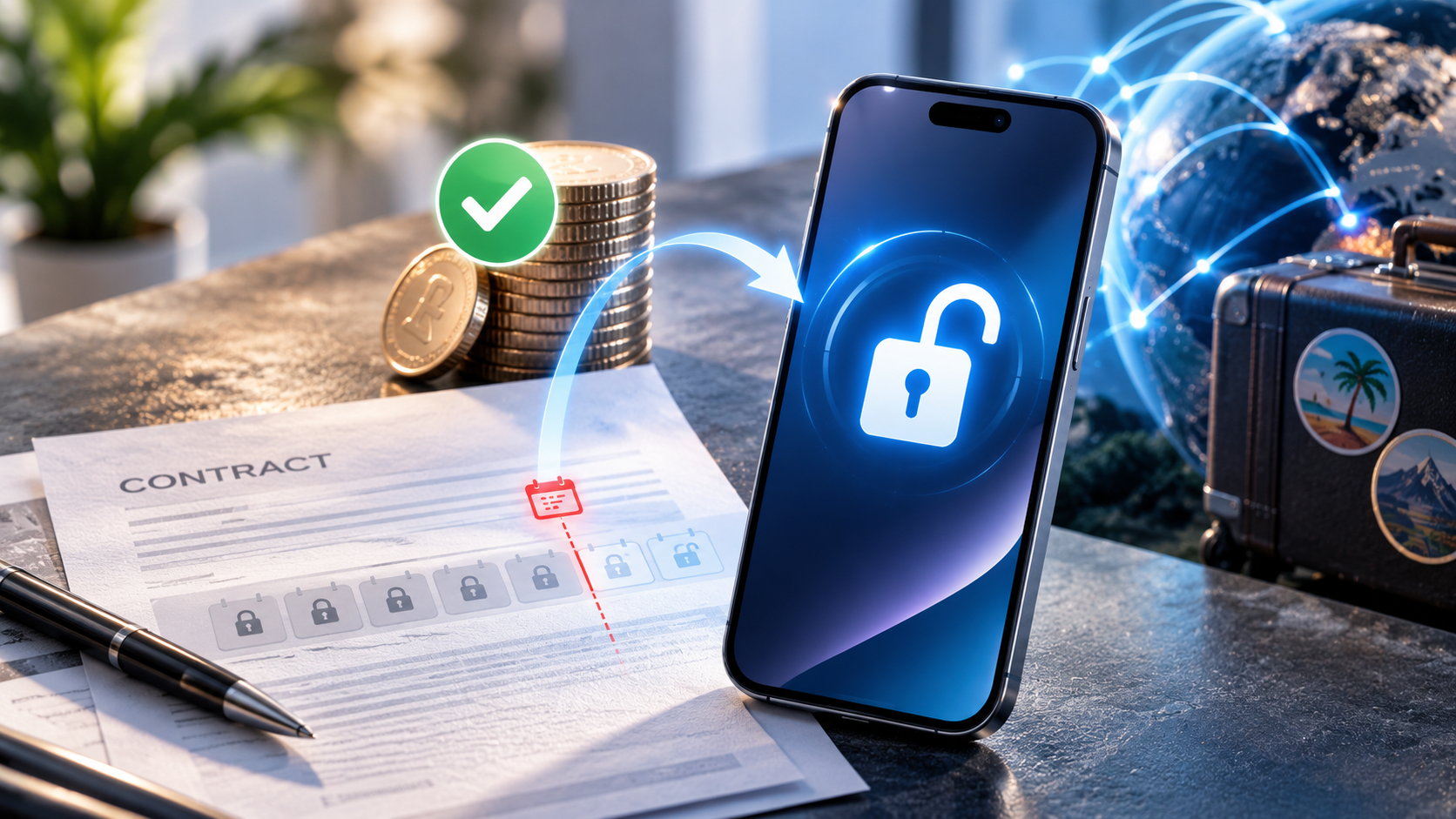
Paying off a smartphone ahead of schedule can feel like a milestone. The device is no longer carrying an installment balance, and you may be ready to move to another carrier or use a different SIM. But what happens if the original service contract has not ended?
The process to unlock phone after payoff is not always as straightforward as making the final payment.
Device financing, mobile-service agreements and carrier-unlocking policies are related, but they are not identical.
Some carriers automatically remove eligible network restrictions. Others require additional conditions to be satisfied or a formal request.
A fully paid-off phone may therefore remain locked temporarily—or longer if another eligibility requirement applies.
Understanding these distinctions can help you avoid unnecessary delays and choose the appropriate next step.
Does Paying Off a Phone Automatically Unlock It?
Not necessarily.
Paying off the remaining device balance removes a financial obligation associated with the hardware.
Carrier unlocking addresses a network restriction.
Those two events may occur together under a particular carrier’s policy, but they are not universally linked.
Some providers use automatic unlocking systems.
Others require customers to request an unlock after meeting the applicable conditions.
There may also be a delay between the final payment and the carrier’s account systems reflecting the updated status.
For this reason, a customer should not assume that a phone becomes unlocked the moment the last installment is processed.
The best approach is to check the carrier’s current policy and the device’s actual lock status.
Understanding Device Financing vs Service Contracts
This is the distinction that causes the most confusion.
A smartphone purchase can involve multiple agreements.
Device Installment Agreement
An installment agreement spreads the cost of the hardware over a specified period.
For example, a customer might purchase a phone through monthly payments over 24 or 36 months.
Paying the balance early settles the remaining device installments, subject to the agreement’s terms.
Mobile-Service Agreement
The service agreement governs the customer’s mobile plan.
It may include monthly charges, service commitments, promotional conditions or other contractual terms.
Paying off the phone does not necessarily terminate the mobile-service agreement.
Promotional Credits
Carrier promotions can make the situation more complicated.
A customer may receive monthly bill credits tied to a device purchase or continued service.
Paying off the hardware early may affect those credits under the promotion’s terms.
The exact consequences vary by provider and offer.
Before making an early payment, review whether the remaining promotional benefits continue, change or end.
A phone that appears inexpensive because of future bill credits can become more costly if those credits stop.
Why a Paid-Off Phone May Still Be Locked
Several factors can explain why a phone remains restricted after its balance reaches zero.
The carrier may require a minimum activation period.
The account may need to meet good-standing requirements.
The final payment may not yet have updated every relevant system.
The phone may have been purchased under a prepaid arrangement with separate unlocking conditions.
There may also be fraud-related or IMEI restrictions.
These possibilities do not mean every carrier applies all of them.
They illustrate why eligibility must be checked against the actual provider’s policy.
A universal claim that “paid off means immediately unlocked” would be misleading.
Step 1: Confirm Your Device Balance Is Fully Settled
Before requesting an unlock, verify that the installment balance is actually zero.
Do not rely solely on the fact that you submitted a final payment.
Payment processing can take time.
Open the carrier’s official account portal or application and review the device-financing section.
Look for confirmation that no remaining installments are due.
If the balance is unclear, contact the carrier.
Keep Payment Records
Save confirmation of the final payment.
This can be useful if the carrier’s unlocking system still identifies the phone as financed.
A receipt or account statement may help customer support investigate the discrepancy.
Check for Separate Charges
A zero hardware balance does not necessarily mean the entire mobile account has no outstanding charges.
Some unlocking policies consider account standing separately from device financing.
Review both where relevant.
Step 2: Review the Carrier’s Current Unlocking Requirements
Once payoff is confirmed, check the original carrier’s current unlocking policy.
Use the provider’s official website rather than relying on an old forum discussion.
Carrier requirements can change.
Policies may also differ between prepaid and postpaid devices.
What to Verify
Look for information about:
Minimum active-service periods
Device-financing requirements
Account standing
Lost or stolen device status
Prepaid eligibility
Automatic unlocking
Manual unlocking requests
Processing times
Do not assume that the policy for one carrier applies to another.
Even within the same company, different device categories may have different requirements.
Original Carrier vs Current Provider
If the phone has changed hands, determine which carrier originally imposed the restriction.
The SIM currently installed does not always identify the original locking network.
This is especially relevant for used devices and phones purchased through mobile virtual network operators.
Step 3: Check for Other Eligibility Restrictions
Payoff is an important condition, but it may not be the only one.
Before attempting to unlock phone after payoff, confirm that the device does not have another unresolved restriction.
IMEI Status
An IMEI blacklist is separate from a carrier lock.
A phone reported lost or stolen may face network restrictions even if it is financially paid off.
Carrier unlocking does not remove a blacklist.
Account Standing
Some providers consider whether the associated account meets their eligibility requirements.
An unresolved account issue may delay an unlock even when the device installment balance is zero.
Activation Period
Certain carrier policies require the device to remain active for a specified period.
Early payoff may not eliminate that requirement.
Ownership Verification
The carrier may need to confirm that the request comes from an authorized person.
This is particularly relevant for second-hand phones or devices originally purchased through business accounts.
Before ordering an unlocking service, check whether your carrier can unlock the device directly and whether any additional requirements apply.
Step 4: Request or Confirm the Unlock
If the phone meets the carrier’s requirements, follow the official process.
Some devices may unlock automatically.
Others may require a request through the account portal or customer-support team.
The completion process also varies by phone.
iPhone
On supported iPhones, you can check the carrier-lock status under Settings > General > About.
The Carrier Lock field may display No SIM restrictions when the phone is unlocked.
If the status has not updated, follow the carrier’s instructions.
Depending on the situation, the phone may need an internet connection or additional activation steps.
Android
Android phones do not have one universal lock-status menu.
Some models display the information in settings.
Others may require testing with another compatible active SIM or eSIM.
If the phone requests a network unlock code, use the appropriate code or procedure supplied for that specific device.
Avoid guessing repeatedly.
What to Do if Your Paid-Off Phone Remains Locked
If the phone still shows a carrier restriction after payoff, begin with the original provider.
Ask the carrier to confirm whether:
-the final payment has posted.
-the device meets all unlocking conditions.
-the unlock has already been submitted or completed.
If the carrier confirms that the device is eligible, ask what completion steps remain.
If the carrier says the phone is not eligible, request the specific reason.
That information determines whether the issue is a processing delay, an account requirement or another restriction.
Allow for Processing Time
An unlock may not become visible immediately after payment.
The provider’s systems may need time to synchronize.
Use the official estimated processing period rather than repeatedly resetting the phone.
Avoid Unnecessary Factory Resets
A factory reset is not a standard method for removing a carrier lock.
It can erase personal information without changing the underlying restriction.
Unless the legitimate completion instructions specifically require a restore or reset, do not treat erasing the phone as the first troubleshooting step.
What if Your Service Contract Is Still Active?
This is where early payoff becomes particularly interesting.
The phone may be fully paid off while the service agreement continues.
Whether the carrier can unlock the device before the service term ends depends on the applicable policy and agreement.
Some arrangements allow unlocking once the hardware and other eligibility conditions are satisfied.
Others may involve additional requirements.
Do not assume that unlocking the phone automatically cancels the mobile plan.
Likewise, moving to another carrier does not necessarily eliminate contractual obligations under an existing service agreement.
Review the service terms before transferring your number or terminating the line.
Will You Lose Promotional Credits?
Possibly, depending on the promotion.
Some carrier offers spread discounts across monthly billing cycles.
The remaining credits may depend on continued service, financing status or other conditions.
If you pay off the phone early, ask the carrier what happens to any unissued credits.
The answer may influence whether early payoff is financially worthwhile.
For example, a customer who wants to unlock a phone for occasional travel might not need to cancel the existing plan.
Another customer planning a permanent carrier switch should calculate the total cost of leaving.
The correct decision depends on the agreement, not simply the outstanding hardware balance.
When a Professional Unlocking Service May Be an Option
If the carrier cannot provide an immediate solution, a professional third-party unlocking service may be worth investigating for supported devices and networks.
However, this is not a way to ignore legitimate eligibility requirements or resolve unrelated financial obligations.
A reputable provider should explain:
Which original carriers are supported
Which models qualify
What device information is required
What processing conditions apply
Whether the service is available for the particular device status
What happens if the request cannot be completed
The service should not promise to erase outstanding debt, change IMEI status or bypass account-security protections.
Those matters are separate from carrier unlocking.
Check Eligibility Before Ordering
Have the correct model, IMEI and original carrier information available.
Review the service description carefully.
If you are unsure whether the phone qualifies, contact support before purchasing.
That is preferable to ordering an incompatible service and trying to resolve the mistake afterward.
Why Unlocking Can Be Valuable After Payoff
Once the hardware is paid for, greater carrier flexibility can help you make more use of the device.
An eligible unlocked phone may allow you to:
Switch to a cheaper compatible carrier
Use a travel SIM or eSIM
Maintain an alternative mobile line
Pass the phone to a family member
Sell it to a broader group of buyers
Keep it as a more versatile emergency spare
These benefits can be particularly attractive when the phone still has several years of useful life.
A paid-off smartphone with a healthy battery and current software may not need replacing simply because the owner wants another mobile plan.
Unlocking can help separate the value of the hardware from the original service arrangement.
Early Payoff vs Waiting: Which Makes More Sense?
There is no universal answer.
Early payoff may be attractive if you want to reduce monthly obligations, sell the phone or move to another carrier.
Waiting may make sense if you would lose valuable promotional credits or if the existing service agreement already meets your needs.
Compare the total cost of both options.
Consider the remaining installment balance, promotional credits, service charges and any applicable contractual conditions.
Then check whether early payoff actually changes unlocking eligibility.
A financial decision and a network-access decision should be evaluated together, but not confused with one another.
Conclusion: Payoff Is an Important Step, Not Always the Final One
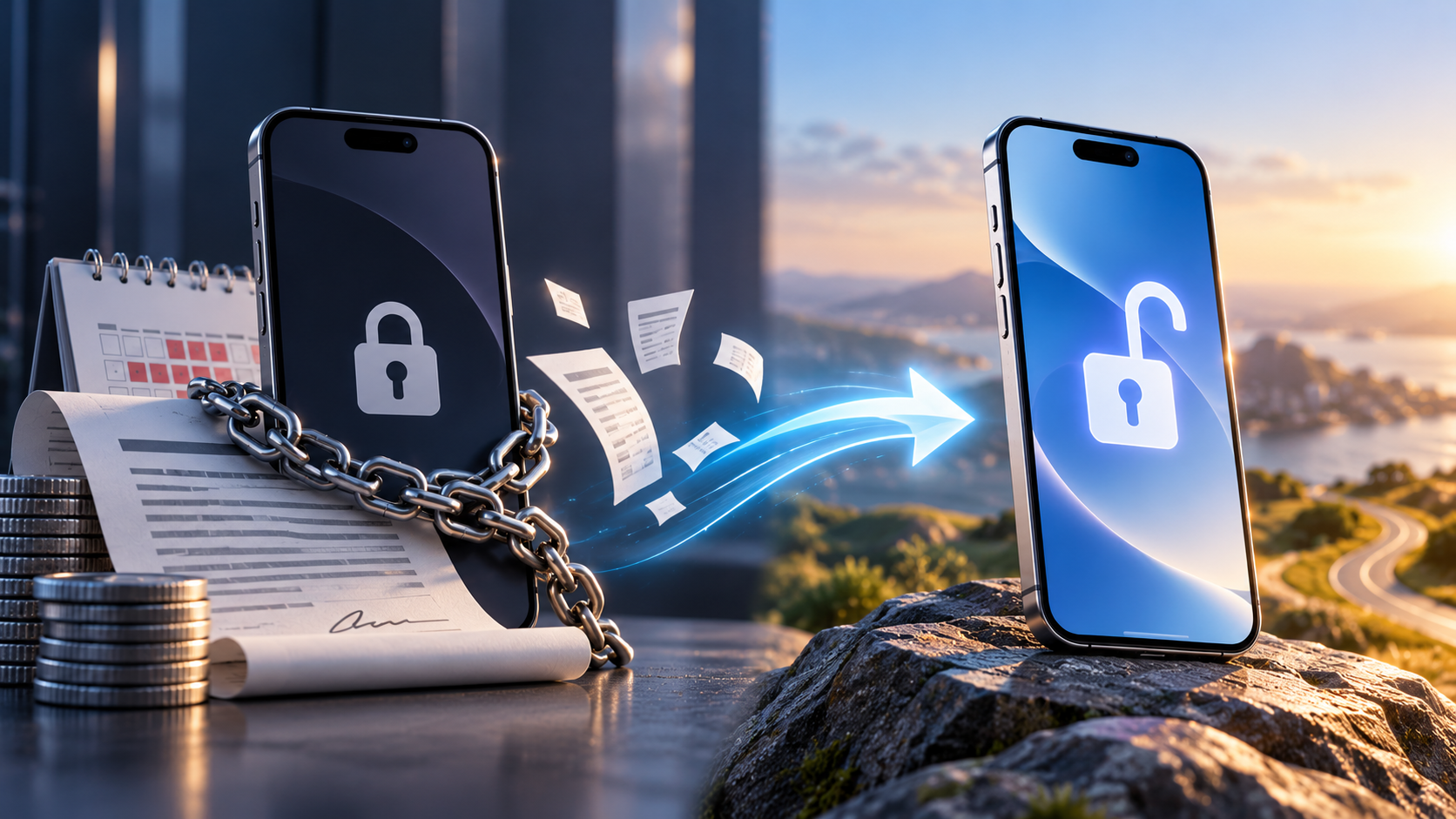
The process to unlock phone after payoff begins with confirming that the device balance is settled.
From there, the original carrier’s current policy determines whether additional conditions apply.
A phone may unlock automatically, require a formal request or remain restricted until another eligibility requirement is satisfied.
The safest approach is to verify the balance, review the carrier’s policy, check for unrelated restrictions and follow the appropriate unlocking procedure.
Avoid assuming that paying off the device cancels the service contract or guarantees immediate network freedom.
When a legitimate carrier restriction remains, professional unlocking may provide another option for eligible devices.
Unlocking.com offers professional unlocking services for supported phones and carriers, helping customers explore legitimate options when they need greater device flexibility after paying off their smartphones.
Get the feed

Recent Posts
- Remote Access During Phone Unlocking: When Should You Be Concerned?
- Paid Off Your Phone Early? How to Handle Carrier Unlocking Before Your Contract Ends
- Unlock Delay Beyond 60 Days—What to Do?
- Unlock Checks: How to Verify Your Phone Is Truly Unlocked
- Comparing Unlocking Services: Why Cheaper Isn’t Always Better
- Unlocking Refurbished Phone: Key Considerations
- Unlock After Market Upgrades (Battery, Display)—What to Expect
Unlocking Feed
Deandra F just ordered a Apple iPhone 16 Pro unlock code.
2 hours ago
Melodie F just ordered a Apple iPhone 13 unlock code.
9 hours ago
Dorine I just ordered a Doro 5030 unlock code.
9 hours ago
Comments